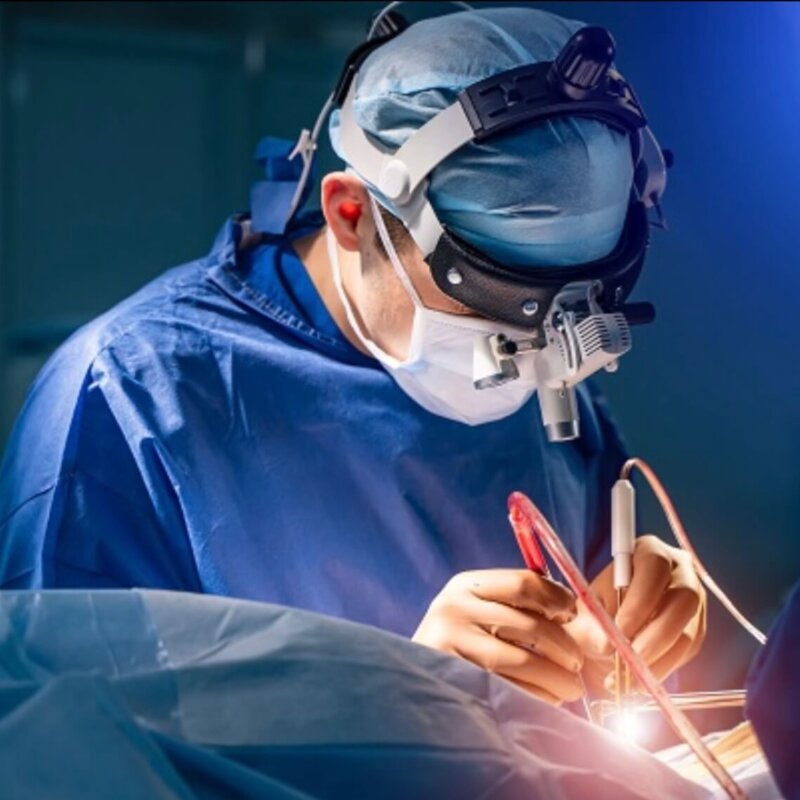

Neurosurgery is a highly specialized field of medicine focused on the diagnosis and surgical treatment of disorders affecting the nervous system. This includes the brain, spinal cord, peripheral nerves, and the supporting structures of the head and spine. Neurosurgeons manage some of the most complex and delicate conditions in medicine, where precision, advanced technology, and exact anatomical knowledge are essential.
Scope of Neurosurgery
Neurosurgery encompasses a broad range of conditions, both emergent and elective. Common areas include disorders of the brain such as tumors, hemorrhages, aneurysms, traumatic brain injury, epilepsy, and hydrocephalus. In the spine, neurosurgeons treat degenerative conditions like disc herniation and spinal stenosis, as well as spinal trauma, tumors, infections, and deformities. Peripheral nerve disorders, including nerve compression syndromes and nerve injuries, also fall within the neurosurgical domain.
Surgical Techniques & Technology
Modern neurosurgery relies heavily on advanced imaging and surgical technologies. Microscopes, neuronavigation systems, intraoperative imaging, and neuromonitoring allow surgeons to operate with exceptional accuracy while minimizing risk to critical neural structures. Many procedures are now minimally invasive, using smaller incisions and specialized instruments to reduce tissue damage, shorten recovery time, and improve outcomes. In some cases, radiosurgery and endoscopic techniques provide alternatives to traditional open surgery.
Training & Expertise
Neurosurgeons undergo extensive training, typically including medical school, a lengthy residency, and often additional fellowship specialization. This rigorous preparation reflects the complexity and responsibility of operating on the nervous system, where even minor injury can have significant consequences. Neurosurgeons must combine technical skill with careful clinical judgment, problem-solving ability, and the capacity to make critical decisions under pressure.
Role in Multidisciplinary Care
Neurosurgery is closely integrated with other medical specialties. Neurosurgeons often collaborate with neurologists, pain medicine specialists, oncologists, orthopedic surgeons, intensivists, and rehabilitation teams. This multidisciplinary approach ensures comprehensive care, from initial diagnosis and surgery through recovery and long-term management.
Risks & Ethical Considerations
Because neurosurgical procedures involve vital structures, they carry inherent risks, including infection, bleeding, neurological deficits, and anesthesia-related complications. Ethical decision-making is central to neurosurgery, requiring careful consideration of potential benefits, risks, and patient quality of life. Clear communication and shared decision-making are essential components of patient-centered care.
Conclusion
Neurosurgery is a demanding and rapidly evolving medical specialty dedicated to treating disorders of the nervous system through surgical and advanced interventional techniques. By combining scientific innovation, technical precision, and compassionate care, neurosurgery plays a critical role in restoring function, relieving pain, and improving the lives of patients facing some of the most serious neurological conditions.
Bighorn Medical Center is proud to offer the only neurosurgeon in the Big Horn Basin, the acclaimed Dr. Jeff Poffenbarger, who offers an interactive team approach to neurosurgery.
“My clinic is a place for people who are willing to play on a team where we are co-equals,” Dr. Poffenbarger explains. “Patients are informed, making decisions and suggesting things. They are truly team participants in getting better, and they have better ownership of their health.”