

Background
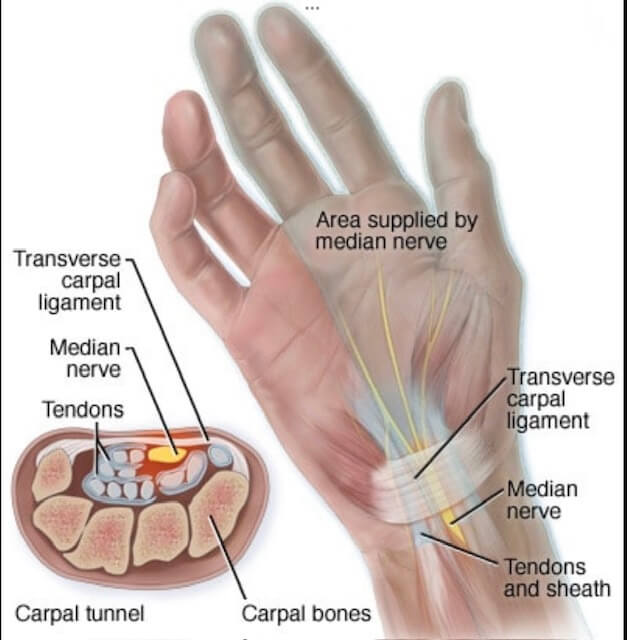
Carpal tunnel syndrome is a common condition that causes numbness, tingling, and pain in the hand and forearm. The condition occurs when one of the major nerves to the hand — the median nerve — is squeezed or compressed as it travels through the wrist.
In most patients, carpal tunnel syndrome gets worse over time. If untreated for too long, it can lead to permanent dysfunction of the hand, including loss of sensation in the fingers and weakness. For this reason, it is important to diagnose and treat carpal tunnel syndrome promptly.
Early symptoms can often be relieved with simple measures like:
- Wearing a wrist splint while sleeping
- Exercises to keep the nerve mobile
- Avoiding certain activities that aggravate your symptoms
- A steroid injection into the carpal tunnel
If pressure on the median nerve continues, however, it can lead to nerve damage and worsening symptoms. To prevent permanent damage, surgery to take pressure off the median nerve may be recommended for some patients.
Overview & Causes
Carpal tunnel syndrome develops when swelling or structural changes reduce the space within the carpal tunnel. Common contributing factors include repetitive hand and wrist motions, prolonged wrist flexion or extension, pregnancy, diabetes, thyroid disease, arthritis, and prior wrist trauma. Symptoms often begin gradually and may include tingling or numbness in the thumb, index, middle, and part of the ring finger, hand weakness, decreased grip strength, and symptoms that worsen at night.
Carpal Tunnel syndrome is diagnosed by a history of nocturnal severe numbness in the hands (you have to ‘shake it out’), atrophy of the hand muscles and weakened grip strength. Just about always an EMG will be performed to confirm the diagnosis.
Non-Surgical Management
Early or mild carpal tunnel syndrome may be treated with non-surgical measures such as wrist splinting, activity modification, anti-inflammatory medications, corticosteroid injections, and ergonomic adjustments, as mentioned above. These approaches aim to reduce inflammation and nerve irritation. When symptoms persist, worsen, or result in muscle weakness or nerve damage, surgery is often recommended.
Surgical Treatment
Carpal tunnel release surgery is performed to relieve pressure on the median nerve by cutting the transverse carpal ligament, which forms the roof of the carpal tunnel. This increases the available space within the tunnel and reduces nerve compression.
There are two primary surgical approaches:
- Open carpal tunnel release, involving a small incision in the palm to directly visualize and release the ligament
- Endoscopic carpal tunnel release, using one or two smaller incisions and a camera-assisted technique
Both methods are effective, and the choice depends on surgeon experience, patient anatomy, and clinical factors. Surgery is typically performed on an outpatient basis under local or regional anesthesia. I tend to favor the open approach as it is slightly safer (reduced incidence of nerve injury) and my incision for the open approach is only slightly larger than the aggregated incisions for the endoscopic approach.
Benefits of Surgery
The main benefit of carpal tunnel surgery is reliable relief of nerve compression. Most patients experience significant improvement in numbness, tingling, and nighttime pain. Surgery can prevent further nerve damage and may allow recovery of hand strength and coordination, particularly if performed before long-standing nerve injury occurs. Patient satisfaction rates are high, and long-term outcomes are generally excellent.
Risks & Complications
Although carpal tunnel release is considered safe, potential risks exist. These include infection, bleeding, scar tenderness, stiffness, nerve or blood vessel injury, incomplete symptom relief, or recurrence of symptoms. Temporary weakness or soreness in the hand is common during recovery. In rare cases, patients may experience persistent pain or hypersensitivity at the surgical site. The risk of complications increases in patients with severe nerve compression, diabetes, or delayed treatment.
The skin of the palm does not like to heal quickly and must be ‘babied’ to heal correctly. You cannot swing a tool with your hand or do physical work with your hand for 3 weeks after surgery. Otherwise, the wound can come open.
Recovery & Prognosis
Recovery time varies but typically involves several weeks of gradual improvement. Light hand use is often allowed shortly after surgery, while full strength may take weeks to months to return. Physical or occupational therapy may be recommended to restore function. Early diagnosis and timely surgical intervention are associated with the best outcomes.
Conclusion
Carpal tunnel syndrome is a prevalent and treatable condition resulting from median nerve compression at the wrist. When conservative measures fail, surgical release offers a highly effective solution with substantial benefits and relatively low risk. Understanding the condition, treatment options, and potential risks allows patients to make informed decisions and achieve optimal recovery and long-term hand function.